We know it takes a lot of strength to make life choices that bring change.

Sometimes those choices and changes can be frightening, even if you believe they’re the right ones. When those changes include finding ways to be safe from an abusive partner, you risk facing increased abuse and violence. This makes a hard decision harder, especially if you fear for your safety and your children’s safety.

That’s why we offer support.

We’ll talk with you about what you’re going through, your fears, and concerns about what might happen in the future. Then, we’ll explore different ways you might be able to protect yourself from danger and navigate the legal system. If you need it, we can help you find a safe place to live at an emergency shelter, long-term transitional housing, or other options provided by the social service system.

We will never tell you what to do. We are here to listen and engage in conversation. We offer support and information.

Bilingual Services

Bilingual advocates are available to provide French-speaking individuals with linguistically and culturally-informed support and advocacy. Hope & Justice Project facilitates connections with the community and institutional resources needed to achieve safety goals and address abuse and violence. We collaborate with local interpreters and translators to help victims of abuse experiencing additional language barriers.

Des défenseuses bilingues avec compétences linguistiques et culturelles sont disponibles aux individus francophones qui ont besoin d’un soutien informé et de plaidoierie. L’organisme Hope & Justice Project facilite les liens avec les ressources communautaires et institutionnelles pour assurer la sécurité et les buts, et pour aider les victimes à confronter leurs expériences d’abus et de violence. 

Disability Services

We provide services to anyone affected by abuse and violence. No matter what your physical, emotional, or cognitive abilities or limitations are, we want to help you. We are willing to work with you to provide the accommodations needed to achieve safety.

To learn more, please call our helpline at 1-800-439-2323. If you are hearing impaired, use your preferred relay service to connect with this helpline. Our helpline is available 24 hours a day.

Economic Empowerment

Hope & Justice Project provides a financial intake process for victims and survivors of abuse. In collaboration with New Ventures Maine, we help individuals receive the financial literacy, planning, and support needed to achieve long-term safety and independence. We can also help you achieve your goals for homeownership, self-employment, or higher education.

Group Support

Feeling isolated or alone? Meet others who share similar experiences. Then, work together to help each other stay strong and move ahead, no matter where on the path of life you happen to be.

We offer support groups in Houlton, Presque Isle, and the St. John Valley. Our support groups offer you a safe space to talk about your experience with others who have gone through similar things. Contact the office nearest you to learn more.

Emergency Shelter

If you’re a victim of abuse and violence, it might seem like you’ll never feel safe again. You may think finding a safe place to stay is an impossible dream. Here’s some good news! There is a safe haven.

We welcome adults and children at our emergency shelters. They are located in confidential locations in Northern, Central, and Southern Aroostook County. At each shelter, we offer emotional support, information, and advocacy.

We help you stay safe as you consider how to handle your situation and think through what’s going on in your life. We help you find the community services you need to stay safe and work toward self-sufficiency. Please contact us if you need shelter.

Transitional Housing and Services

If you’re working to stay safe and free from relationships involving violence, you might consider living in our transitional housing. We welcome survivors of domestic abuse for up to two years. It’s safe, affordable, and includes supportive services to help you succeed.

Legal Advocacy

If you would like some help, the first step is to meet with a Hope & Justice Project advocate. Once they understand your circumstances, the advocate:

  • Can help you file complaints or documents that explain your situation and how you would like that situation to be resolved with the court. The most common are:
    • Complaint for Protection from Abuse
    • Complaint for Protection from Harassment
    • Determination of Parental Rights and Responsibilities
    • Complaint for Divorce
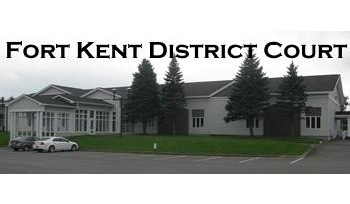
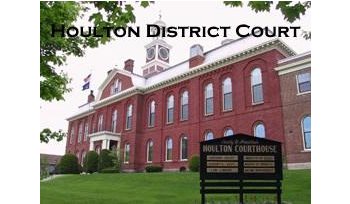
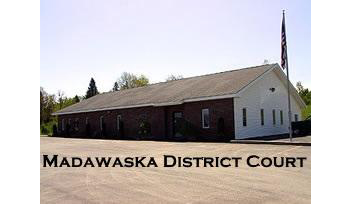
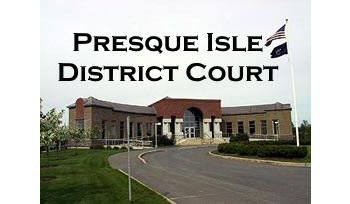
  • May be available to accompany you to court in Houlton, Presque Isle, Caribou, Madawaska, or Fort Kent.

To make an appointment with an advocate, please call our helpline at 1-800-439-2323. We may be able to provide the assistance you need by phone. If not, we’ll work with you to find a way to meet in person.

We understand the challenges of time, transportation, distance, privacy, and the threat your partner may be to your safety. We’ll be as flexible and resourceful as possible. We will work with you to get the support and information you need.


Resources Directory

Wondering where to turn? Here’s a comprehensive list of local, state, and national organizations that you might find very helpful. In addition to using our directory, you may wish to talk with one of our advocates to be sure you are connected with the help you deserve.

Other Aroostook County Resources

Safety Planning

A safety plan includes any steps you can take to increase your safety, whether you live with your partner, are preparing to leave, or have left. If you are struggling with where to start, this template may be helpful to you. Don’t forget to consider the technology you are using to currently access this website in your safety plan.

Here are some suggestions. Everyone’s situation is different. You’ll have to choose the ones that work for you. We’re always available to talk about different ideas and help you think about your options. Just call our helpline at 1-800-439-2323.

If you live with an abusive partner

If you live with an abusive partner, here are some things to think about and do to help you get and stay safe.

  • Plan possible exits you can use from your home or apartment if an argument erupts.
  • Keep an extra set of keys, money, and a packed bag ready in case you need to leave quickly.
  • Learn how to disable your cell phone’s GPS locator if it has one, so your abuser can’t track your movements.
  • Create a code word or signal to use with your friends, family, or neighbors to let them know when you need the police or other help.
  • Be cautious about what you post on social networking sites.
  • Learn how to clear your computer’s browser history.
  • Make plans to go to the home of a friend or neighbor, somewhere safe and a place your abuser won’t look for you if you need to leave home.

If you’re preparing to leave

Leaving can increase your danger since many abusers will step up the violence they use to control you. Here are some steps you can take to help you stay safe.

  • Pack a bag with things you’ll need to take with you: identification, driver's license, car registration and title, birth certificates for you and your children, money, bank books, keys, medications, social security cards, address book, clothes – or leave money, an extra set of keys, copies of important documents, and extra clothes with someone you trust so that you can leave quickly.
  • Open a bank account in your name and rent a post office box so you can receive mail.
  • Talk with family, friends, police, or staff at community agencies you can count on for support.

If you’ve left

Starting on your own can be a challenging and difficult time. If you’ve left, here are some steps you can take to stay safe – and keep your children safe – while you create your new life.
If you have a protection from abuse order or family matter judgment, give copies to your child’s schools and childcare. Let them know who has permission to pick up the children and give them your code word.

  • If you have to arrange child visits with your abusive partner, exchange children in a public place or through a third party.
  • Get support. Talk to one of our advocates and/or attend a support group.
  • If you have to communicate with the abuser, talk by phone, or take another person. with you.
  • If there’s someone at work you trust, tell him or her about your situation. If you work in a small business, this person may be a co-worker. If you work for a larger company, you might want to alert your office or building security and provide a photo of your abuser if possible. Arrange to have someone screen your calls.
  • When you leave work, make plans to be escorted to your car, and then vary your route home. Drive to the nearest police station if you’re being followed – and find out where it is before you need it!

Social Service Advocacy

In Aroostook County, resources are limited and it can be challenging to know where to turn when times are tough. If it’s something we don’t directly provide, we can help connect you to the people who do. We will help point you in the right direction for services for financial assistance, mental health/substance abuse counseling, or anything else that you may need assistance with.

We have worked hard to compile a Resource Directory for those we serve in Aroostook County. In addition to using our directory, you may wish to talk with one of our advocates to be sure you are connected with the help you deserve.

Technology Support

Technology can be very helpful to people, but it can also be misused – especially by someone who is intent on keeping track of where you are, what you are doing, and who you are talking to. Whether you are living with someone who is abusive to you, have left or are making plans to leave, or simply want to minimize the risk of someone stalking you through your phone or internet connections, we can help.

For starters, you may find this Technology Safety Plan helpful. It includes information on disabling the GPS tracking device on your phone, using safe devices, and privacy settings on social media. If you are accessing our website on a computer or device that is shared with others, you may wish to learn more about clearing your internet browser history.

Lastly, if you need face to face help with any of these things, we have advocates who are ready to assist you at the office nearest you.

Young Adult Services

Understanding Domestic Violence: Spotting the Signs

  • Domestic violence is rooted in power and control, not anger. Domestic violence occurs when one partner uses a pattern of behavior to maintain power and control over the other, which can take the form of physical violence, emotional abuse, sexual abuse financial control, or digital stalking.

  • Isolation and possessiveness are major red flags. An abusive partner often tries to cut someone off from their family and friends, gets extremely jealous, demands to know where they are at all times, or insists on reading their text messages and social media DMs.
  • Emotional manipulation and "walking on eggshells." Abuse isn't just physical; constant put-downs, severe mood swings, guilt trips, or making someone feel like they can never do anything right are forms of verbal and emotional abuse that erode self-esteem.
  • Digital abuse and boundary crossing. Controlling what someone wears, demanding location sharing, and/or always checking your apps to see your location, forcing sexual acts, or threatening to leak private photos or videos are clear violations of consent and safety.
  • Ignoring a "no" or pushing boundaries isn't okay. Consent must be given freely and enthusiastically, without someone guilt-tripping, harassing, or pestering you until you change your mind. If someone constantly pressures you into sexual acts or anything else after you've said no, that is a clear violation of your boundaries.
  • Check your relationship status with an interactive assessment. You can take the Love is Respect Healthy Relationship Quiz to evaluate whether your relationship exhibits healthy habits or shows warning signs of abuse.
  • Contact Hope and Justice Project. If you have questions or even just need an unbiased, nonjudgemental place to talk about what has been going on in your relationship call Hope and Justice Project’s 24-hour helpline for free confidential help. 1-800-439-2323.

Sextortion (more commonly known as revenge porn) is a form of online blackmail. It happens when someone threatens to share a private, explicit photo or video of you unless you do what they want.

What to Do Immediately If You Are Being Extorted or Harassed. If someone is threatening to share private photos or videos of you (sextortion):

  • Do not pay or send more images: Paying money or sending more content rarely stops perpetrators and often leads to further demands.
  • Stop communication and block the person: Do not reply to threats or attempt to negotiate. Block their account immediately across all platforms.
  • Save all evidence: Take clear screenshots of messages, threats, profiles, phone numbers, email addresses, and payment links before deleting or blocking anything.
  • Report the content for removal:
  • Take It Down (by NCMEC): A free service to help remove or prevent the online sharing of explicit images or videos taken when you were under 18.
  • StopNCII.org: A free tool designed to prevent non-consensual intimate image sharing for individuals who were 18 or older when the imagery was created.

Stalking is a pattern of repeated, unwanted behavior from someone that makes you feel unsafe, stressed, harassed, or afraid.

It isn't just someone following you in a dark alley in college and young adult life, it often looks like someone refusing to leave you alone after you've told them to stop.

Stalking is about power and control, not love. People often mistake persistent stalking or refusal to leave someone alone as a romantic gesture or an attempt to win them back. In reality, crossing those boundaries has nothing to do with affection, it is an effort to intimidate, exert control, and maintain power over someone else.

Here is what defines it:

  • It’s a pattern: It is not a one-time awkward moment; it is a repeated habit of targeting you over time.
  • It causes fear or anxiety: The behavior makes you feel uncomfortable, watched, overwhelmed, or unsafe in your daily routine.
  • It crosses boundaries: The person ignores clear signs or direct messages asking them to leave you alone.
  • It can be physical or digital: It includes being followed in person, as well as digital harassment like cyberstalking, location tracking, or spamming your accounts.
  • It can be done by anyone: A stalker can be an ex-partner, a friend, a classmate, an acquaintance, or a stranger.
Essential Social Media & Account Safety Practices

  • Strengthen your security credentials;
  • Use strong, unique passwords for every account;
  • Enable Two-Factor Authentication (2FA) using an authenticator app (like Google Authenticator) or SMS code;
  • Lock down your profile privacy:
    • Switch personal social media accounts from public to private.
    • Restrict who can send you direct messages (DMs) or message requests, especially from users you do not follow.
    • Regularly audit your followers/friends list and remove unfamiliar accounts.
  • Be cautious with personal information;
  • Avoid sharing location data in real time (e.g., check-ins, geotags, identifiable landmarks in photos);
  • Never share personal details such as home address, phone number, school, or routine schedules in public posts or bios;
  • Recognize suspicious interactions:
    • Be wary of new accounts asking to quickly move conversations off-platform to messaging apps like Snapchat, WhatsApp, or Telegram.
    • Be cautious of unexpected compliments, high-pressure demands, or romantic interest from profiles you haven't met in person.

Help Resources

  • National Center for Missing & Exploited Children (NCMEC): Website: CyberTipline | Hotline: 1-800-843-5678 Primary resource for reporting online exploitation, sextortion, and non-consensual images involving minors under 18.
  • Cyber Civil Rights Initiative (CCRI): Helpline: 844-878-2274 Offers non-judgmental support, guidance, and resources for victims of non-consensual intimate image sharing.
  • Love is Respect: Text: LOVEIS to 22522 | Call: 1-866-331-9474 Support for teens and young adults dealing with healthy relationships, digital boundaries, online harassment, and coercive control.
  • The Trevor Project: Text: START to 678-678 | Call: 1-866-488-7386 Dedicated 24/7 crisis support for LGBTQ+ youth experiencing online harassment, extortion, or safety threats.
  • FBI Internet Crime Complaint Center (IC3): Official platform to submit a report if you are a victim of online fraud, extortion, or cybercrime.

How to help someone you care about

Here are 5 clear, supportive ways to talk to a friend or roommate if you are worried they might be experiencing domestic violence or relationship abuse:

  1. Pick a private, quiet moment to check in
    Find a time when it’s just the two of you in a comfortable, safe space without interruptions. Keep the opening gentle and grounded in care, something like, "Hey, I've noticed you seem really stressed lately, and I just wanted to check in and see how you're doing."
  2. Focus on specific behaviors without attacking their partner
    Share what you have noticed using "I" statements rather than making direct accusations about their partner, which might cause them to pull back. Try saying, "I noticed they call you repeatedly when you're out with us, or that you seemed upset after that conversation. I’m here if you ever want to talk about it."
  3. Listen without judging or telling them what to do
    If they open up, resist the urge to jump in with immediate advice or tell them to break up right away. Leaving an abusive situation can be complicated and dangerous. Instead, validate their feelings with phrases like, "That sounds really tough," or "Thank you for trusting me with this. None of this is your fault."
  4. Offer practical, low-pressure support
    Let them know you are in their corner for whatever they need, big or small. You can offer simple, concrete help such as, "I'm always down to hang out or host you here if you need a breather," or "I can hold onto an extra set of keys or important documents for you if that ever feels helpful."
  5. Connect them with local support resources
    Encourage them to reach out to trained professionals who can help them figure out their options confidentially. You can mention the Hope & Justice Project, which provides free, confidential 24/7 support, advocacy, and safety planning.
    • Helpline: Call 1-800-439-2323 anytime. You can even offer to sit with them while they make the call or look at their options together.